Not so long ago, admitting you got your hair done at home sounded a bit like confessing to laziness or a tight budget. Those were the days of a towel over the shoulder, wedged between the fridge and the oilcloth tablecloth. Today, mobile hairdressing has become the new luxury. In just a few years, it’s traded its “low-cost” image for that of a private concierge service. Why this dramatic turnaround? Let’s decode a trend that’s shaking up the rules in France and across Europe.
The great leap of 2020, thank you, lockdown!
While the sector was already growing, the repeated closures of physical salons during the COVID-19 pandemic acted as a catalyst. Clients, deprived of their rituals, opened their doors to mobile professionals.
Once you’ve tasted the comfort of an expert balayage in your own living room, without the noise of neighboring hairdryers or the endless wait, it’s hard to go back.
The personal connection grew stronger, turning the service provider into a true personal beauty consultant.
Digitalization in service of prestige
What really changed the game was the tool. At-home hairdressing is no longer found in classified ads at the local bakery, but on sleek, polished platforms (like Wecasa, Planity or Treatwell).
Booking in 3 clicks: a user experience worthy of the finest hotels.
Transparency and reviews: prestige is built on social proof. Independent hairdressers curate their “Book” on Instagram like true studio artists.
Digital payment: no more fumbling for cash — everything flows smoothly.
The luxury of intimacy
At-home hairdressing is no longer something you settle for because you’re stuck at home — it’s something you choose to escape the chaos.
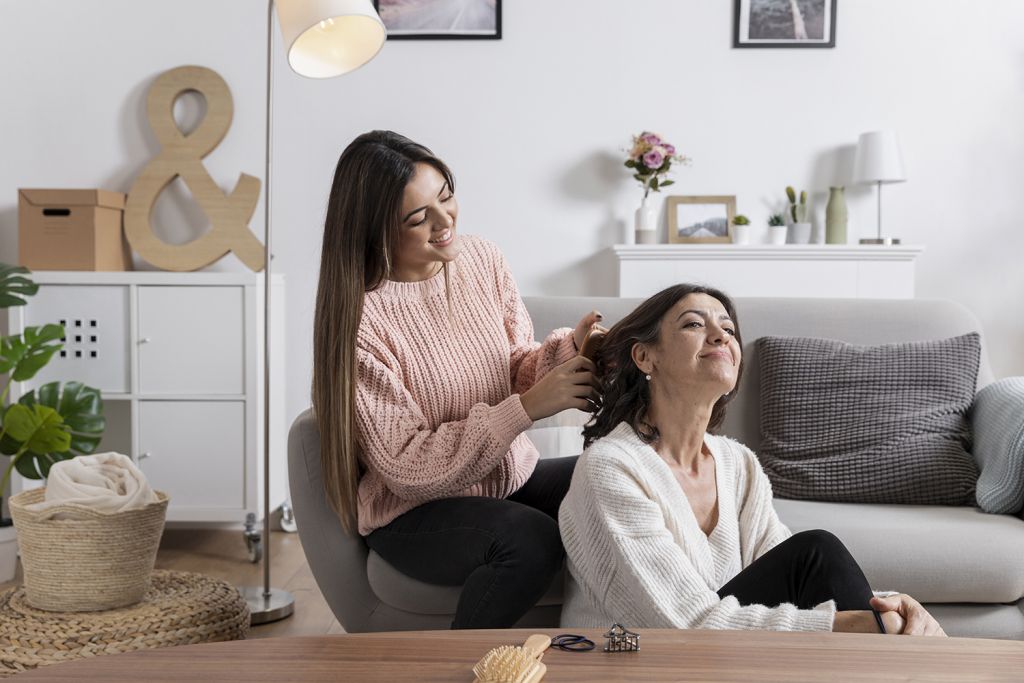
Your living room has become the VIP lounge. In a world saturated with noise and demands, turning your living room into a private spa for two hours has become the height of chic.
The client is king (and alone). Unlike a street-corner salon where you share the hairdresser’s attention with three other people, mobile service offers total exclusivity. It’s the return of the personal hairdresser, a figure once reserved for aristocracy.
Remote work, beauty’s new niche
The explosion of hybrid work has created a brand-new need. When your desk is 2 meters from your couch, time becomes a flexible resource.
Why waste 45 minutes traveling to a salon when the salon can come to you between two Zoom meetings?
The hairdresser now fits right into the busy urban professional’s calendar. It’s no longer a luxury of time — it’s a life optimization. And this trend isn’t limited to individuals; companies are now building these services into their workplace wellness programs (corporate concierge services).
Paying more to live better
You might think inflation and the rising cost of living would have slowed this trend. The opposite is happening.
The value trade-off. Clients would rather spend 20% more for an at-home service than pay for parking, a coffee in the waiting room, and lose two hours of their time (time having become the most precious currency).
The need to stay in your bubble. Despite the crises, the wellness budget remains a mental priority. Being pampered at home is seen as an investment in mental health and self-image, more than as a simple vanity expense.
The end of self-consciousness. People no longer call a hairdresser because they can’t go out — they call one because they want to stay in their cocoon.
Yesterday, at-home hairdressing helped people age gracefully; today, it helps them live intensely.
Events and show business
The prestige of mobile hairdressing is also booming in niche segments where agility reigns supreme:
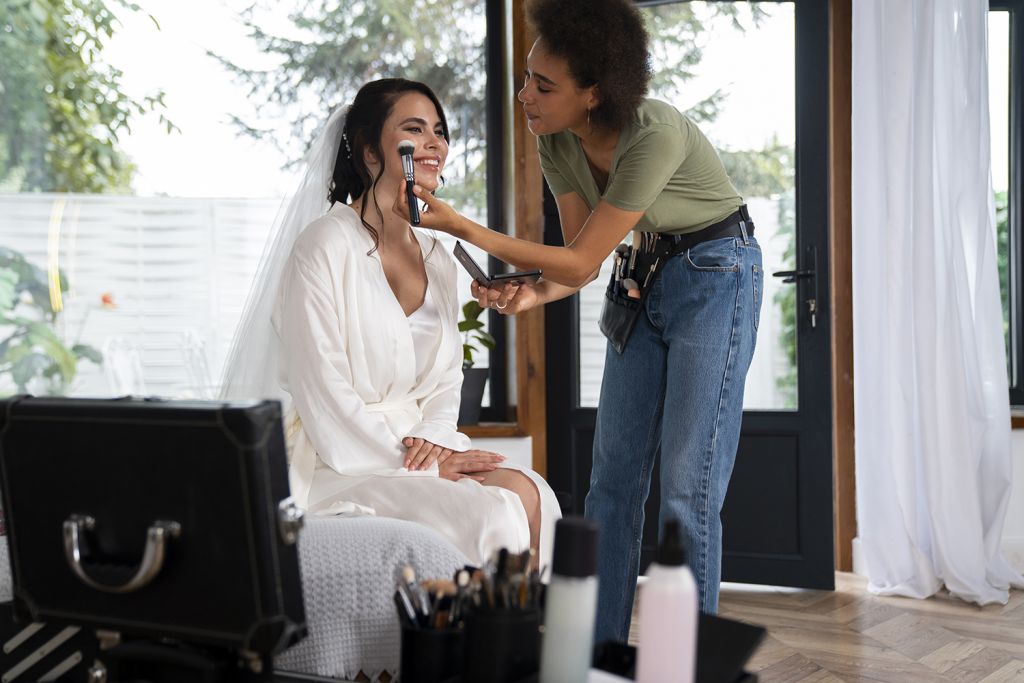
Weddings and events: no more stressful mornings rushing around town. The mobile provider creates a bubble of calm right at the preparation venue.
Fashion and photoshoots: “studio” styling has become mainstream. Professionals who work on runway shows or film sets now offer their services to individual clients too, reinforcing this upscale image.
Conclusion
At-home hairdressing is no longer a default alternative — it’s a mark of standing. The trend is clear: people are no longer just looking for a haircut, they’re looking for a tailor-made experience.
This shift reflects a society that values time, hyper-personalization and technological comfort. The mobile hairdresser is no longer a home-visit nurse — they’re an artisan of mobile luxury, a magician who sets up their studio between your sofa and your bookshelf.